Maximize Voluntary Dental & Vision Benefits: Save 30%+ Annually
Advertisements
Voluntary dental and vision benefits offer employees additional ways to manage healthcare expenses through workplace coverage. These plans can provide access to dental services, eye exams, and eyewear.
Many employers include voluntary coverage in their benefits packages, allowing workers to select plans according to their needs. Premiums are often paid through payroll deductions.
Understanding voluntary dental and vision benefits helps employees compare costs and coverage before enrolling. Discover practical savings strategies, employer considerations, and important plan limitations.
Understanding Voluntary Dental and Vision Benefits
Voluntary dental and vision benefits are optional coverage programs that employers make available to eligible workers. Employees generally decide whether to participate during designated enrollment periods.
These plans may cover preventive dental visits, selected treatments, routine eye examinations, and eyewear. The services included depend on the insurer and specific policy.
Unlike fully employer-funded benefits, voluntary coverage is commonly financed partly or entirely by employees. Reviewing premium contributions and coverage details is essential before enrollment.
The Appeal of Voluntary Programs
One advantage of voluntary dental and vision benefits is the opportunity to choose coverage based on individual circumstances. Employees can evaluate whether available plans match their expected care needs.
Group arrangements may offer competitive premiums compared with certain individual policies. However, savings depend on plan pricing, provider networks, and the services actually used.
Employers may also expand their benefits offerings without funding every premium. Administrative responsibilities vary according to the insurance arrangement and enrollment system.
Employee Choice: Workers can evaluate optional coverage based on personal needs.
Group Pricing: Some workplace plans offer competitive premium arrangements.
Payroll Deductions: Premium payments may be collected directly through payroll.
Strategies for Maximizing Voluntary Dental and Vision Benefits
Maximizing voluntary dental and vision benefits begins with understanding how premiums compare with expected healthcare expenses. A lower monthly premium does not always mean lower overall costs.
Employees should examine covered services, deductibles, copayments, annual limits, and provider networks. These details determine the financial value of a particular policy.
Although savings greater than 30% may be possible in individual circumstances, they are not guaranteed. Actual results depend on coverage terms, healthcare needs, and alternative costs.
Employer Best Practices for Plan Selection
Employers should compare insurers according to coverage quality, provider availability, and administrative support. Competitive pricing matters, but employees also need access to appropriate services.
When evaluating voluntary dental and vision benefits, organizations should examine network restrictions, exclusions, waiting periods, and enrollment procedures. Clear information helps prevent confusion.
Regular employee feedback can identify problems with available plans. Employers may use these insights when reviewing coverage options during future enrollment cycles.
Provider Networks: Evaluate access to dentists, optometrists, and other participating professionals.
Coverage Comparison: Review premiums, deductibles, limits, and excluded services.
Employee Feedback: Identify opportunities to improve plan selection and communication.
Improving Benefits Communication and Enrollment
Clear communication helps employees understand the differences between available insurance options. Employers should explain costs, eligibility, enrollment deadlines, and coverage limitations.
Educational materials can demonstrate how voluntary dental and vision benefits work in common situations. Examples should reflect actual policy terms rather than guaranteed savings.
Digital enrollment tools may simplify comparisons between plan options. Employees should have access to accurate documents before making their final decisions.
Provide understandable explanations of premiums and covered services.
Share enrollment deadlines and eligibility requirements.
Offer comparison tools that reflect actual plan conditions.
Employee Engagement and Smart Utilization
Employees can make better use of voluntary dental and vision benefits by reviewing their coverage before scheduling appointments. Understanding plan rules helps reduce unexpected expenses.
Preventive services may be covered differently from restorative dental procedures or specialized eye care. Coverage levels vary considerably between policies.
Before receiving treatment, confirm provider participation and expected out-of-pocket costs. These precautions can support more informed financial decisions throughout the year.

Leveraging Preventive Care for Potential Savings
Preventive dental services may include examinations, cleanings, and selected diagnostic procedures. Some insurance plans cover these services with limited cost sharing.
Routine eye examinations can help identify changes in vision and certain eye conditions. Coverage frequency and eligibility requirements depend on the specific policy.
Using preventive services included in voluntary dental and vision benefits can provide financial value. However, preventive care does not eliminate every future treatment expense.
Schedule dental examinations according to professional recommendations and plan coverage.
Review the frequency limits for routine eye examinations.
Confirm which preventive services are covered before appointments.
Choosing In-Network Dental and Vision Providers
Provider networks can significantly influence the cost of dental and vision care. Participating professionals may offer negotiated rates established through insurance agreements.
When using voluntary dental and vision benefits, employees should confirm that the specific provider and location participate in the plan. Network directories may change.
It is also important to verify whether the planned treatment is covered. In-network status does not automatically mean every service will be free.
Network Verification: Confirm provider participation directly with the insurer.
Cost Estimates: Request expected charges before receiving services.
Coverage Limits: Check whether treatments are subject to deductibles or annual maximums.
The Financial Impact: Understanding Potential Savings
The financial value of voluntary dental and vision benefits depends on total annual spending. Employees should consider premiums alongside expected out-of-pocket healthcare costs.
Group discounts and negotiated provider rates can sometimes reduce expenses. However, annual premiums may outweigh the benefits for individuals who use few covered services.
Claims of savings exceeding 30% require a specific comparison and supporting calculations. No universal savings percentage applies to every employee or healthcare plan.
Calculating Your Potential Annual Savings
A useful comparison begins by calculating the total annual premium for each available policy. Add expected deductibles, copayments, and uncovered expenses.
Next, compare those figures with the estimated cost of receiving similar care without the plan. Consider both routine appointments and anticipated procedures.
This method helps determine whether voluntary dental and vision benefits offer financial advantages. The result will vary according to individual needs and healthcare prices.
Annual Premium: Calculate the total cost of monthly or payroll contributions.
Out-of-Pocket Expenses: Estimate deductibles, copayments, and uncovered charges.
Alternative Costs: Compare expenses with available self-pay prices or other coverage.
Why Savings Differ Between Employees
Two employees enrolled in the same policy may experience different financial results. Their dental needs, vision prescriptions, and treatment histories can vary significantly.
Someone expecting extensive dental work may evaluate coverage differently from a person who primarily needs routine examinations. Annual maximums can also affect the total benefit received.
When analyzing voluntary dental and vision benefits, personal circumstances matter more than promotional percentages. Reviewing anticipated services provides a more realistic estimate.
Employer Advantages Beyond Cost Savings
Offering voluntary dental and vision benefits can expand an employer's compensation package without requiring full premium funding. This approach may provide additional choices for workers.
Benefits selection can also influence how employees evaluate overall compensation. Different workers prioritize healthcare coverage according to their financial and family circumstances.
However, offering optional insurance does not guarantee improvements in retention or productivity. Employers should assess employee participation and satisfaction using reliable information.
Boosting Recruitment and Retention
A workplace benefits package can influence employment decisions alongside salary, flexibility, and career opportunities. Optional dental and vision coverage may appeal to certain candidates.
Employers that provide voluntary dental and vision benefits give eligible employees additional coverage choices. The perceived value depends on affordability and plan quality.
Human resources teams can evaluate participation levels and collect feedback. These measures provide useful information without assuming that benefits alone determine employee loyalty.
Supporting Employee Well-Being
Access to affordable dental and vision services can support employees in managing their healthcare needs. Insurance coverage may reduce some financial barriers to obtaining services.
Preventive appointments can contribute to the identification of dental and visual concerns. Their usefulness depends on individual medical needs and professional recommendations.
Providing voluntary dental and vision benefits is one possible component of workplace well-being efforts. It should complement broader policies that support employees.
Navigating the Future of Employee Benefits
Employee benefits continue evolving as organizations evaluate workforce needs, costs, and digital service options. Employers may adjust their offerings to reflect changing priorities.
Voluntary dental and vision benefits can be incorporated into flexible compensation programs. Their usefulness depends on plan accessibility, pricing, and employee participation.
Digital enrollment and clearer information may improve the experience of comparing coverage. Employers should continue reviewing available products and applicable requirements.
Emerging Trends in Voluntary Benefits
Digital platforms are changing how employees review and manage insurance options. Online tools can simplify enrollment and provide access to plan documentation.
Some voluntary dental and vision benefits may include digital consultations or additional wellness services. Availability and clinical suitability depend on the provider.
Greater customization may also influence future offerings. However, optional features should be evaluated according to cost, coverage limitations, and actual employee needs.
Digital Services: Online enrollment and selected virtual care options.
Plan Customization: Coverage alternatives designed for different financial needs.
Wellness Integration: Additional services that may complement traditional benefits.
Using Data to Improve Benefits Programs
Employers can use participation and satisfaction data to understand how employees interact with available coverage. Aggregated information may reveal areas requiring attention.
When evaluating voluntary dental and vision benefits, organizations should protect sensitive employee information. Data practices must follow applicable privacy requirements.
Regular analysis can support future plan comparisons and communication improvements. However, conclusions should reflect reliable data rather than assumptions about employee behavior.
Regulatory Landscape and Compliance
Employers offering voluntary dental and vision benefits must consider applicable federal and state requirements. The legal treatment of a plan depends on its structure.
ERISA and other employment-related regulations may affect administration, documentation, and disclosure obligations. Certain voluntary arrangements can qualify for specific regulatory exceptions.
Organizations should obtain qualified guidance before implementing or changing coverage. Legal compliance cannot be determined solely from whether employees pay their own premiums.
Key Compliance Considerations
Clear plan descriptions help employees understand the insurance coverage being offered. Communications should accurately explain eligibility, costs, exclusions, and enrollment procedures.
When administering voluntary dental and vision benefits, employers should evaluate relevant ERISA requirements and state insurance rules. Applicable obligations may differ between plans.
Legal and benefits professionals can review the structure of the program. Ongoing compliance checks help identify documentation issues and administrative risks.
Clear Communication: Provide accurate policy descriptions and enrollment instructions.
ERISA Review: Evaluate whether specific requirements apply to the arrangement.
State Regulations: Consider insurance rules in the locations where employees are covered.
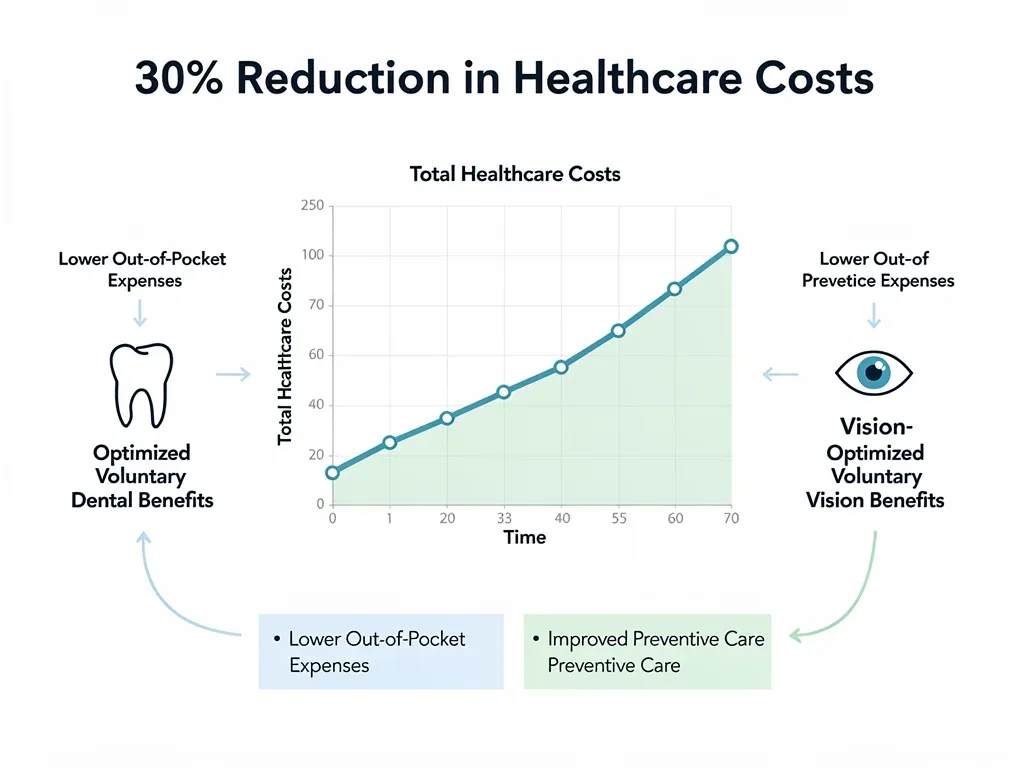
Common Mistakes When Choosing Voluntary Coverage
Employees sometimes select voluntary dental and vision benefits based primarily on monthly premiums. This can overlook important differences in coverage and annual expenses.
Other common mistakes include ignoring provider networks, waiting periods, and benefit maximums. These restrictions may affect the total cost of receiving care.
Reviewing the full policy before enrollment helps reduce unexpected expenses. Employees should compare their likely healthcare needs with available coverage options.
How to Avoid Unexpected Coverage Costs
Begin by checking whether preferred providers participate in the insurance network. Confirming this information before treatment can help clarify expected charges.
Review any restrictions attached to voluntary dental and vision benefits. Certain procedures may have waiting periods, frequency limits, or exclusions.
Employees should also request cost estimates for expensive treatments when possible. Understanding financial responsibilities helps support more predictable household budgeting.
Read exclusions and coverage limitations before enrolling.
Confirm provider network participation.
Review waiting periods and annual benefit maximums.
Compare premiums with anticipated healthcare expenses.
Key Point | Brief Description |
|---|---|
Voluntary Coverage | Optional workplace dental and vision insurance selected by eligible employees. |
Potential Savings | Financial benefits vary according to premiums, covered services, provider networks, and individual healthcare needs. |
Employer and Employee Roles | Employers evaluate available plans while employees compare coverage with personal requirements. |
Future Trends | Digital enrollment, flexible options, and improved benefits communication may influence future offerings. |
Compliance | Applicable employment and insurance regulations depend on plan design and administration. |
Frequently Asked Questions About Voluntary Dental and Vision Benefits
What are voluntary dental and vision benefits?▼
Voluntary dental and vision benefits are optional insurance programs made available through employers. Employees typically choose whether to enroll and may pay some or all premiums through payroll deductions. Coverage and eligibility depend on the plan.
How can these benefits lead to 30%+ savings?▼
Savings greater than 30% may occur in specific circumstances, but they are not guaranteed. Actual savings depend on premium costs, negotiated provider rates, covered services, and alternative healthcare expenses. Employees should calculate the total cost of each available option.
What role do employers play in maximizing these benefits?▼
Employers can compare insurers, evaluate provider networks, communicate policy details, and offer reliable enrollment resources. Clear information helps employees understand their choices and make informed coverage decisions.
Are voluntary plans suitable for all employees?▼
Not necessarily. The value of a voluntary plan depends on individual healthcare needs, expected expenses, and available alternatives. Some employees may benefit from coverage, while others may find that premiums exceed their anticipated savings.
What should employees consider before enrolling?▼
Employees should compare annual premiums, deductibles, copayments, covered services, waiting periods, provider networks, and benefit maximums. Reviewing the complete policy helps determine whether the plan matches personal healthcare needs and financial expectations.
Conclusion: Making the Most of Voluntary Employee Benefits
Voluntary dental and vision benefits can provide additional healthcare coverage and financial flexibility for eligible employees. Their value depends on how well the policy matches individual needs.
Comparing premiums, understanding coverage restrictions, and using appropriate provider networks can help employees manage expenses. Employers contribute by providing clear information and suitable plan choices.
Rather than relying on guaranteed savings claims, evaluate the total annual cost of coverage. An informed approach can help employees select benefits that support their healthcare priorities and budgets.