Medicaid Redetermination Protocols 2026: Essential Docs
Advertisements
Medicaid Redetermination Protocols in 2026 involve eligibility reviews, documentation requirements, renewal deadlines, and preparations for upcoming federal changes that may affect healthcare coverage for eligible Americans.
The Medicaid Redetermination Protocols in 2026 require beneficiaries to understand renewal procedures, maintain accurate personal information, and respond appropriately to official eligibility notices.
Preparing essential documentation in advance can help individuals avoid unnecessary administrative delays and reduce the risk of interruptions to their existing healthcare coverage.
This guide explains documentation requirements, renewal procedures, appeal rights, and upcoming regulatory changes that Medicaid beneficiaries should understand when preparing for eligibility reviews.
Understanding the 2026 Medicaid Redetermination Landscape
The Medicaid Redetermination Protocols in 2026 involve reviewing beneficiary information to determine whether individuals continue meeting the eligibility requirements established by their state.
State Medicaid agencies administer these procedures according to applicable federal regulations, eligibility categories, available information, and administrative requirements that may vary between jurisdictions.
Understanding the renewal process helps beneficiaries prepare for information requests, recognize official communications, and identify the appropriate resources for resolving potential eligibility concerns.
Key Policy Shifts and State Adaptations

State Medicaid agencies may use electronic verification systems to confirm eligibility, reducing the need for beneficiaries to submit documents already available through reliable sources.
The Medicaid Redetermination Protocols in 2026 also involve preparations for federal legislative changes that will affect certain eligibility reviews beginning in January 2027.
Beneficiaries should monitor communications from their state agencies because implementation procedures, available assistance, and individual renewal schedules may differ depending on their circumstances.
Understanding Automatic Medicaid Renewals
Automatic renewals, sometimes called ex parte renewals, allow agencies to evaluate eligibility using reliable information available through administrative records and authorized electronic databases.
When sufficient information is available, beneficiaries may receive confirmation of renewed coverage without completing additional forms or submitting documentation during that particular review.
However, individuals should continue monitoring official notices because agencies may request additional information when available records are incomplete, outdated, or inconsistent with eligibility requirements.
Preparing for Federal Changes in 2027
Federal legislation requires six-month eligibility reviews for most adults enrolled through the Medicaid expansion adult group, beginning with renewals scheduled on or after January 1, 2027.
Certain adults will also face community engagement requirements, generally involving qualifying work or other approved activities, unless they meet applicable exclusions or exemptions.
These changes do not apply uniformly to every Medicaid beneficiary, making it important to confirm individual requirements through the agency administering your coverage.
Essential Documentation for Continued Coverage
Preparing documentation for the Medicaid Redetermination Protocols in 2026 can help beneficiaries respond efficiently when state agencies request additional information to verify continued eligibility.
Common documentation categories include income, identity, residency, household composition, and other information relevant to the eligibility group under which an individual receives coverage.
However, not every beneficiary must submit every document, particularly when the responsible agency can independently verify information through existing records or electronic systems.
Income Verification Documents
Income verification helps state agencies determine whether beneficiaries continue meeting applicable financial eligibility requirements, which may depend on household size and specific coverage categories.
Depending on individual circumstances, relevant documents may include recent pay stubs, employer statements, tax records, and Social Security benefit statements when applicable.
Individuals receiving unemployment compensation may also need relevant unemployment benefits statements, depending on the information requested by their state agency and applicable income calculation procedures.
Organizing Financial Records
Keeping financial documents organized can help beneficiaries respond to verification requests without spending unnecessary time locating records during an approaching Medicaid renewal deadline.
The Medicaid Redetermination Protocols in 2026 may require additional explanations when reported income differs from information available through government databases or other verification sources.
Self-employed individuals should retain relevant business income and expense records, while beneficiaries receiving retirement income should maintain statements documenting applicable payments and distributions.
Proof of Residency and Identity
Residency and identity verification help Medicaid agencies determine whether individuals satisfy applicable eligibility requirements and receive coverage through the appropriate state healthcare program.
The Medicaid Redetermination Protocols in 2026 may involve reviewing these details when existing records are insufficient or when beneficiaries report changes affecting eligibility.
Individuals should ensure that their contact information is accurate and follow official instructions concerning acceptable documents whenever additional verification becomes necessary during renewal.
Accepted Forms of Identification and Residency
Depending on state requirements, identification documents may include a driver's license, state identification card, passport, birth certificate, or other approved forms of verification.
Residency documentation may include rental agreements, utility bills, government correspondence, or other records demonstrating that an individual resides within the state providing coverage.
Acceptable alternatives may be available for individuals without conventional documentation, so beneficiaries should contact their state agency before assuming that verification is impossible.
Address Changes and Contact Information
Updating contact information is particularly important because Medicaid agencies use mailing addresses, telephone numbers, and electronic communication channels to deliver notices about eligibility reviews.
Beneficiaries who move should notify their state Medicaid agency directly because updating postal forwarding information does not necessarily update records maintained by healthcare programs.
Maintaining accurate contact information can reduce the likelihood of missing important notices concerning renewal deadlines, information requests, eligibility decisions, or available appeal procedures.
Household Composition and Dependent Information
The Medicaid Redetermination Protocols in 2026 may involve verifying household composition because household size can influence income calculations and applicable financial eligibility requirements.
Changes involving births, marriages, divorces, deaths, or dependent relationships may affect how an individual's eligibility is evaluated under the relevant Medicaid coverage category.
Beneficiaries should report applicable changes according to state instructions and maintain records that can help clarify their household circumstances when additional information is requested.
Documenting Family Changes and Dependents
Relevant family documentation may include birth certificates, adoption records, marriage certificates, divorce decrees, or guardianship documents when necessary to verify specific household circumstances.
However, families are not automatically required to provide every available record for each renewal, particularly when household information can be verified through existing sources.
Individuals experiencing significant family changes should contact their state Medicaid agency to understand whether updated information or additional documentation is necessary for continued coverage.
Understanding Household Eligibility Differences
Medicaid eligibility can differ among members of the same household because children, pregnant individuals, older adults, and other groups may qualify under different rules.
The Medicaid Redetermination Protocols in 2026 should therefore be understood in relation to individual eligibility categories rather than assuming that every household member qualifies identically.
Children may qualify for Medicaid or the Children's Health Insurance Program even when their parents do not meet the requirements for adult Medicaid coverage.
Healthcare and Insurance Information
Medicaid agencies may request information about additional health insurance coverage to determine how healthcare benefits should be coordinated among different insurance providers and programs.
The Medicaid Redetermination Protocols in 2026 can involve reviewing employer-sponsored insurance, Medicare enrollment, private insurance policies, or other coverage relevant to individual circumstances.
Having another insurance policy does not automatically disqualify someone from Medicaid, although it may influence payment coordination and the administration of covered healthcare services.
Details on Other Health Coverage
Beneficiaries should retain current insurance cards, policy information, and relevant coverage documents in case their state Medicaid agency requests confirmation of other healthcare arrangements.
Information about insurance carriers and policy numbers may help agencies determine payment responsibilities when an individual receives healthcare coverage through more than one source.
Medicaid generally coordinates payments with other responsible insurers according to applicable rules, helping ensure that covered services are administered through the appropriate payment arrangements.
Responding to Notices and Deadlines
Responding to official communications remains an important component of the Medicaid Redetermination Protocols in 2026, particularly when agencies cannot complete eligibility reviews automatically.
Renewal notices may contain instructions concerning required information, submission methods, important deadlines, and procedures for contacting the responsible state agency when questions arise.
Beneficiaries should carefully review each notice and avoid assuming that previous renewal procedures or deadlines will necessarily remain identical during subsequent eligibility reviews.
Key Dates and Communication Channels
State Medicaid agencies may communicate through mailed notices, authorized online accounts, telephone services, or other official channels available to beneficiaries within their respective jurisdictions.
Recording renewal deadlines and setting personal reminders can help individuals prepare requested information without overlooking important dates associated with their continuing healthcare coverage.
When submission difficulties arise, beneficiaries should contact the responsible agency promptly to discuss available assistance, acceptable documentation alternatives, or applicable procedures for resolving delays.
Keeping Confirmation of Submitted Documents
Retaining copies of submitted renewal forms and supporting documents can provide useful records when beneficiaries need to confirm information previously delivered to their Medicaid agency.
Individuals completing the Medicaid Redetermination Protocols in 2026 through online systems should save available confirmation numbers, submission receipts, and other records of completed actions.
When documents are submitted by mail or in person, retaining copies and available delivery confirmations may help resolve administrative questions concerning receipt and processing.
Leveraging State Resources and Assistance
Beneficiaries navigating the Medicaid Redetermination Protocols in 2026 can access support through state agencies, community healthcare organizations, and other authorized assistance resources when available.
These services may help individuals understand eligibility notices, identify appropriate documentation, complete renewal forms, and communicate with agencies responsible for administering their healthcare coverage.
Seeking assistance early can be particularly valuable for people experiencing language barriers, limited internet access, disabilities, or difficulties gathering documents requested during eligibility reviews.
Available Support and Where to Find It
The official Medicaid.gov assistance directory provides information about contacting state agencies for eligibility questions, renewal assistance, coverage information, and other issues involving Medicaid or CHIP.
Community health centers, healthcare navigators, and legal aid organizations may also provide assistance, depending on the services available within an individual's local community.
Beneficiaries requiring language assistance or accessibility accommodations should ask their state agency about available support when completing applications, responding to notices, or requesting reviews.
Avoiding Medicaid Renewal Scams
Unexpected messages requesting payments, passwords, or sensitive financial information should be treated cautiously, particularly when senders claim they can guarantee continued Medicaid healthcare coverage.
The Medicaid Redetermination Protocols in 2026 should be completed through authorized state channels, rather than unfamiliar websites or individuals offering unofficial paid renewal services.
When uncertain about a communication, independently contact the responsible Medicaid agency using its published contact information before submitting documents or disclosing sensitive personal details.
Impact of Missed Deadlines and the Appeals Process
Missing deadlines or failing to provide requested information during the Medicaid Redetermination Protocols in 2026 may result in administrative delays or termination of coverage.
However, a termination resulting from incomplete renewal information does not necessarily establish that an individual no longer meets the underlying eligibility requirements for Medicaid.
Beneficiaries should review termination notices promptly and contact the responsible agency to understand available options for reconsideration, appeals, or alternative healthcare coverage when appropriate.
Understanding Disenrollment and Your Appeal Rights
Individuals receiving adverse Medicaid eligibility decisions generally have the right to request a fair hearing according to applicable federal regulations and state administrative procedures.
Official notices should explain the decision, relevant appeal procedures, and applicable deadlines, allowing beneficiaries to understand how they can challenge an unfavorable eligibility determination.
In certain circumstances, requesting a hearing before the effective date of an adverse action may allow benefits to continue while the appeal remains pending.
Reconsideration After Procedural Termination
Beneficiaries whose coverage ends because required renewal information was not submitted may qualify for reconsideration by providing the outstanding information within an applicable period.
Federal rules generally provide a 90-day reconsideration period for individuals whose eligibility is determined using modified adjusted gross income, following termination for incomplete renewal information.
This reconsideration process differs from a formal appeal, and beneficiaries should confirm which procedure applies to their circumstances rather than assuming coverage resumes automatically.
Understanding Community Engagement Requirements
During 2026, federal authorities issued implementation guidance concerning community engagement requirements that will generally affect certain Medicaid expansion adults beginning no later than January 1, 2027.
These requirements may involve demonstrating 80 hours of qualifying monthly activities, although exemptions, alternative qualification methods, and other statutory conditions can affect individual obligations.
Some states may implement these requirements earlier, making it important for beneficiaries to monitor official state guidance rather than assuming a single nationwide implementation schedule.
Documentation for Qualifying Activities
Individuals subject to community engagement requirements may need records related to employment, approved education, community service, or other qualifying activities recognized under applicable regulations.
However, beneficiaries who qualify for exemptions or whose compliance can be verified electronically may not need to provide the same documentation as other individuals.
Understanding how these changes interact with the Medicaid Redetermination Protocols in 2026 can help affected adults prepare for future reviews without submitting unnecessary personal information.
Looking Ahead: Maintaining Healthcare Coverage
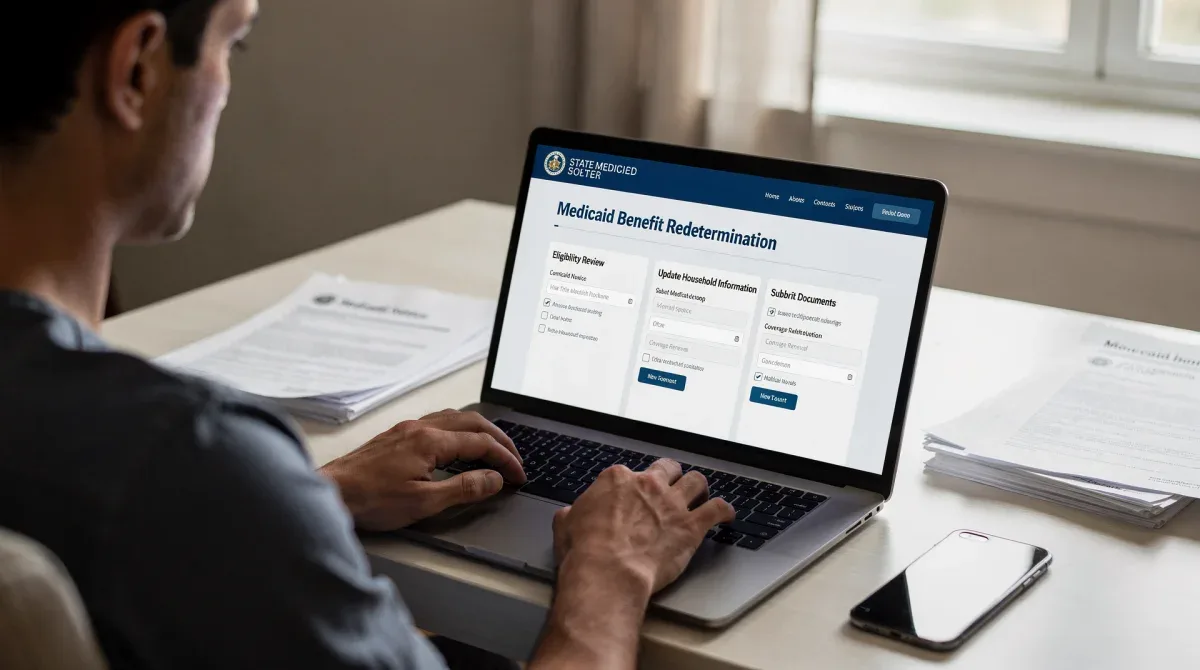
The Medicaid Redetermination Protocols in 2026 represent an important period of preparation as state agencies continue administering renewals and implementing upcoming federal eligibility requirements.
Beneficiaries should focus on maintaining accurate information, understanding their individual renewal schedules, and obtaining assistance whenever documentation or eligibility requirements become difficult to interpret.
Monitoring official guidance remains essential because changes affecting Medicaid eligibility, review frequency, and community engagement may apply differently depending on individual circumstances and state policies.
Conclusion
Understanding the Medicaid Redetermination Protocols in 2026 can help beneficiaries navigate eligibility reviews, prepare appropriate documentation, and respond effectively to official requests for information.
Organizing important records, maintaining accurate contact details, and understanding available appeal procedures are practical measures that can reduce unnecessary interruptions to eligible healthcare coverage.
Individuals should rely on official state Medicaid agencies for personalized eligibility guidance, particularly when preparing for regulatory changes scheduled to take effect during 2027.
Key Point | Brief Description |
|---|---|
Redetermination Focus | Verification of continued eligibility using available records and additional information when necessary. |
Essential Documents | Income, residency, identity, and household information may be requested depending on individual circumstances. |
Automatic Renewals | State agencies may renew coverage without requesting additional documents when sufficient reliable information is available. |
Timely Response | Review official notices, respond to information requests, and observe applicable renewal deadlines. |
2027 Renewal Changes | Most adults in the Medicaid expansion adult group will become subject to eligibility reviews every six months. |
Community Engagement | New requirements will generally apply to certain adults beginning no later than January 1, 2027, subject to exemptions. |
Available Support | State Medicaid agencies, community organizations, and legal aid services may provide assistance with renewal and appeals. |
Frequently Asked Questions About Medicaid Redetermination
What are the main changes for Medicaid Redetermination Protocols in 2026?
During 2026, state agencies are continuing eligibility renewals while preparing for upcoming federal changes. Beginning with renewals scheduled on or after January 1, 2027, most adults enrolled through Medicaid expansion will face eligibility reviews every six months. Certain adults will also be subject to community engagement requirements.
What documents are most important for renewal?
Depending on individual circumstances, Medicaid agencies may request income records, proof of residency, identification, household information, and details about other insurance coverage. Beneficiaries should follow the specific instructions provided by their state agency.
What happens if I miss my redetermination deadline?
Missing a deadline may result in termination of coverage. Depending on the circumstances, beneficiaries may qualify for reconsideration, submit an appeal, or reapply. Contact the state Medicaid agency promptly to understand available options.
Can I get help with the documentation process?
Yes. State Medicaid agencies, community healthcare organizations, and legal aid services may provide assistance. Readers can also explore information about Medicaid expansion under new legislation to understand the broader policy context affecting healthcare eligibility.
How do I update my contact information with Medicaid?
Contact your state Medicaid agency directly or use its authorized online portal, if available. Keeping your mailing address, telephone number, and other contact details current can help prevent missed renewal notices.
Does every Medicaid beneficiary need to renew coverage every six months?
No. The new six-month renewal requirement beginning in 2027 primarily affects most adults enrolled through the Medicaid expansion eligibility group and certain comparable waiver populations. Other beneficiaries remain subject to their applicable renewal requirements.
Do all Medicaid beneficiaries have to meet work requirements?
No. Community engagement requirements apply to certain adults, with statutory exemptions and exclusions. Beneficiaries should consult their state Medicaid agency to determine whether the requirement applies to them.
Can Medicaid coverage be renewed automatically?
Yes. When a state agency has sufficient reliable information to confirm continued eligibility, it may complete the renewal without requiring additional forms or documentation from the beneficiary.
Does having other health insurance automatically end Medicaid eligibility?
No. Individuals may qualify for Medicaid while receiving coverage through another insurance program. However, additional insurance can affect how healthcare payments are coordinated.
Can I appeal a Medicaid termination decision?
Generally, beneficiaries have the right to request a fair hearing following an adverse eligibility decision. Review the official notice carefully to understand applicable deadlines and procedures for requesting an appeal.