LIHEAP: Up to $1,200 Offsets for Utility Bills
Advertisements
LIHEAP utility bill assistance helps eligible low-income households manage heating and cooling expenses. Some local programs may provide benefits approaching $1,200 or more, but payments vary by location, household circumstances, and available funding.
LIHEAP utility bill assistance provides financial support to eligible American households struggling with heating, cooling, and other qualifying home energy expenses.
Depending on local program rules, assistance may cover a portion of utility bills or help during an energy emergency. Some benefit amounts may approach $1,200.
However, LIHEAP does not guarantee a nationwide payment of $1,200. Understanding eligibility, application requirements, and local funding can help families find available support.
Understanding LIHEAP: Your Path to Energy Relief
The Low Income Home Energy Assistance Program, commonly called LIHEAP, is a federally funded initiative that helps households with limited financial resources manage energy costs.
Federal funding is distributed to states, territories, and participating Tribes, which administer assistance according to their program rules and available resources.
LIHEAP can reduce financial pressure associated with essential home energy needs. It also supports efforts to prevent unsafe living conditions caused by inadequate heating or cooling.
What Does LIHEAP Cover?
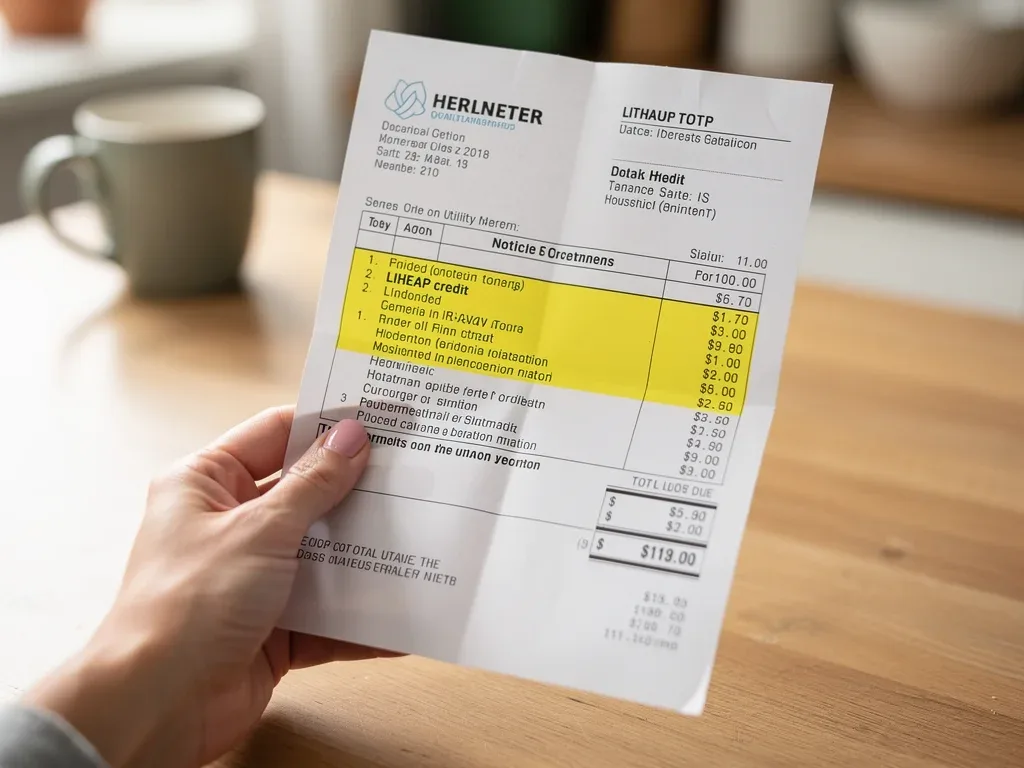
LIHEAP primarily helps eligible households with heating and cooling expenses. Depending on local rules, qualifying costs may include electricity, natural gas, heating oil, or other fuels.
Some programs also provide emergency assistance when households face disconnection or lack essential heating services. Available services depend on the administering agency.
In certain locations, LIHEAP funding may support minor energy-related repairs or weatherization activities. Applicants should confirm which forms of assistance are currently available.
Why Energy Assistance Matters for Families
High utility expenses can place significant pressure on households with limited incomes. Families may struggle to balance energy payments with food, transportation, and other necessities.
Financial support can help eligible residents maintain safer indoor temperatures during periods of extreme heat or cold. This is particularly important for vulnerable household members.
Programs such as LIHEAP complement other benefits that may help families manage essential expenses. Each program has separate eligibility requirements.
Eligibility Criteria for LIHEAP Benefits
Eligibility for LIHEAP utility bill assistance generally depends on household income, family size, and the rules established by the local program administrator.
Federal law establishes income eligibility parameters, but states and other administering agencies determine specific thresholds and procedures within the applicable framework.
Applicants should review current requirements in their state or territory. Qualifying under an income limit does not automatically guarantee assistance when funding is limited.
Federal Poverty Guidelines and State Variations
LIHEAP income eligibility can be based on federal poverty guidelines or state median income. The applicable maximum generally relates to 150% of poverty guidelines or 60% of state median income.
However, each administering agency establishes its actual eligibility standards within federal requirements. Income thresholds may change between program years and household sizes.
Before applying, check the current limits published by your local LIHEAP office. This provides more accurate guidance than relying on a single nationwide income figure.
Household Size and Income Verification
The number of people living in a household can affect income eligibility. Larger households may qualify under different thresholds than individuals living alone.
Agencies commonly request income information to determine whether applicants meet program requirements. Employment earnings and certain benefit payments may be considered.
Applicants should provide complete and accurate household details. Missing or inconsistent information may require additional verification and delay an eligibility decision.
Priority for Vulnerable Households
LIHEAP is designed to help households facing significant home energy burdens. Some programs prioritize applicants with particular vulnerabilities or urgent energy needs.
Families with young children, older adults, or individuals with disabilities may receive special consideration under applicable state or local procedures.
However, priority policies vary by administering agency. Applicants should ask whether their household circumstances affect eligibility, benefit calculations, or processing timelines.
How LIHEAP Can Offset Utility Bills by $1,200
LIHEAP can reduce eligible energy expenses through assistance determined by state or local administrators. In some programs, certain households may qualify for substantial payments.
An amount of $1,200 can serve as an example of possible assistance, but it is not a universal federal benefit or guaranteed annual payment.
The actual award depends on factors such as income, household circumstances, energy costs, program rules, and available funds. Some recipients receive considerably less.
How Benefit Amounts Are Calculated
Many LIHEAP administrators consider household income and energy expenses when determining assistance. Some also account for household size and other relevant circumstances.
Programs may establish minimum and maximum payment levels for different types of assistance. These amounts can vary between heating, cooling, and emergency programs.
Applicants should request the current benefit schedule from their local agency. This is the most reliable way to understand potential assistance amounts.
Direct Payments and Utility Bill Credits
In many cases, LIHEAP assistance is paid directly to an eligible household's utility provider. The payment may appear as a credit against qualifying energy charges.
Some programs use different payment arrangements depending on the energy source or recipient circumstances. Processing times also vary between agencies and providers.
Households should review their utility statements after approval to confirm that the payment was applied. Contact the administering agency if a credit appears incorrect.
Emergency Energy Crisis Assistance
LIHEAP may provide additional support when a household faces an immediate energy-related emergency. Situations can include threatened disconnection or lack of essential heating.
Emergency assistance may involve payment arrangements, qualifying equipment repairs, or other services allowed by local rules. Not every program offers identical coverage.
Applicants experiencing an urgent crisis should contact their LIHEAP office immediately. Emergency procedures and deadlines may differ from regular seasonal applications.
The Application Process: Step-by-Step Guide
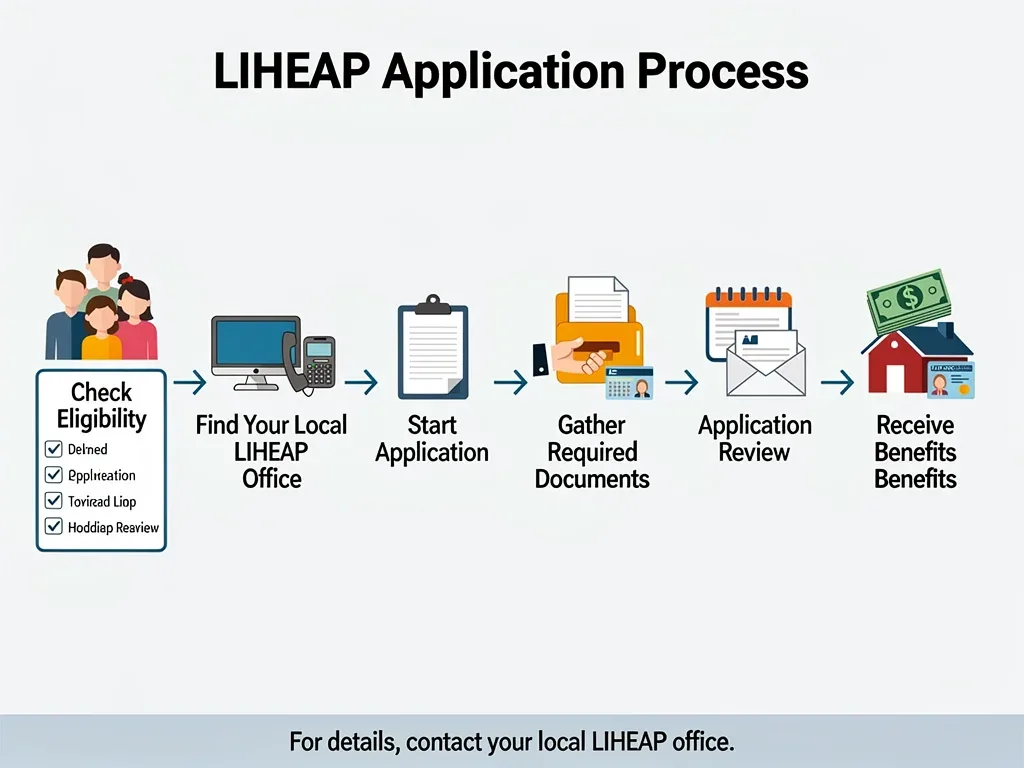
Applying for LIHEAP begins with identifying the agency responsible for assistance in your location. Applications are generally administered through state or local organizations.
Depending on the program, applicants may submit information online, by mail, or through an in-person appointment. Some locations offer additional application methods.
Preparing documents before beginning can make the process easier. Applicants should also verify current enrollment periods because some programs operate seasonally.
Step 1: Find Your Local LIHEAP Office
Start by locating the official LIHEAP administrator for your state, territory, or Tribal area. Government resources can direct households to the appropriate agency.
Community action agencies and local social service offices may also administer applications. Their responsibilities differ depending on the jurisdiction and program structure.
Use the official USAGov energy assistance guide to identify relevant services and application information for your location.
Step 2: Gather Required Documentation
Applicants commonly need identification, household income records, and recent utility bills. Agencies may request additional information depending on their eligibility procedures.
Examples include pay statements, benefit award letters, identification documents, and proof of residence. Requirements may differ for individuals with irregular income.
Review the local application checklist carefully before submitting documents. Providing accurate records can help avoid requests for corrections or additional verification.
Step 3: Submit Your Application
Complete the application using the method accepted by your local agency. Make sure all required household and contact information is accurate.
Some locations offer online submission, while others require mailed documents or appointments. Available options depend on local administrative arrangements.
If possible, keep copies of submitted records and confirmation numbers. These details may help when checking application status or responding to additional requests.
Step 4: Follow Up on Your Application
After submitting the application, the agency may review your financial information and verify qualifying energy costs. Processing timelines depend on local procedures.
Some applicants may receive requests for additional records or clarification. Responding promptly can help prevent unnecessary delays during the review process.
Once a decision is issued, follow the instructions provided by the agency. Approved applicants should verify how and when assistance will be applied.
Beyond Bill Payment: Weatherization Assistance
LIHEAP can support certain energy efficiency activities, while the separate federal Weatherization Assistance Program also helps eligible households improve residential energy performance.
These programs may address different needs, including insulation, energy-related repairs, and measures that reduce heating or cooling demand. Available services vary.
Households interested in long-term improvements should ask about both LIHEAP and weatherization programs. Qualification for one service does not automatically guarantee another.
Long-Term Savings Through Home Improvements
Energy efficiency improvements can reduce unnecessary heating and cooling losses. The potential savings depend on the home's condition and the work performed.
Weatherization services may include insulation, sealing air leaks, and improvements to eligible heating or cooling equipment. Projects require appropriate assessment and approval.
These improvements can complement financial benefits and other assistance resources, although each program has its own purpose and rules.
Understanding the Weatherization Assistance Program
The federal Weatherization Assistance Program, often called WAP, focuses on improving energy efficiency for eligible households. It operates separately from LIHEAP bill payment assistance.
Local providers evaluate homes to determine which approved improvements may be appropriate. Services depend on program funding, eligibility, and technical assessments.
To explore weatherization support, contact the relevant state office. Applicants should confirm current waiting lists, requirements, and the services available in their area.
Recent Updates and Program Outlook for LIHEAP
LIHEAP funding and program administration can change between fiscal years. Federal appropriations and local decisions influence the amount and type of assistance available.
Energy prices, weather conditions, and household demand may also affect program resources. Some administrators adjust enrollment periods or benefit schedules accordingly.
Applicants should regularly review official announcements rather than assume previous year's rules remain unchanged. Local agency updates provide the most relevant information.
Impact of Economic Factors on LIHEAP Funding
Higher heating and cooling costs can increase the financial pressure faced by low-income households. This may lead to greater demand for energy assistance.
However, the number of eligible applicants and available resources may not increase at the same rate. Funding constraints can affect service availability.
Federal appropriations and local administrative decisions shape program capacity. They also influence the amount and timing of individual benefit payments.
Why Program Availability Changes by State
States have different climates, energy markets, and household needs. These differences influence how local programs organize heating, cooling, and crisis assistance.
Some agencies offer seasonal enrollment periods, while others establish separate applications for specific services. Deadlines and available funding can vary.
Before applying, confirm the relevant program year and current enrollment status. This helps avoid relying on outdated deadlines or payment estimates.
Where to Find Reliable Program Updates
Official government websites and local LIHEAP agencies are the best starting points for current information. They provide applicable requirements and contact details.
Applicants may also need to consult utility providers about payment arrangements or emergency disconnection policies. These services operate under separate rules.
For households receiving other assistance, additional programs may be relevant, including unemployment benefits and disability benefits, subject to eligibility.
Maximizing Your LIHEAP Benefits: Tips and Strategies
Making effective use of LIHEAP begins with understanding local eligibility criteria and application requirements. Early preparation can help households avoid unnecessary administrative delays.
Applicants should keep updated financial information and contact their agencies when important household circumstances change. Accurate records support eligibility reviews.
It is also helpful to explore complementary assistance programs and utility payment options. Not every household will qualify for the same resources.
Proactive Application and Documentation
Check enrollment dates before seasonal energy expenses increase. Some programs have limited application windows, so knowing deadlines can prevent missed opportunities.
Organize income records, identification documents, and recent utility bills before submitting an application. Review all information for accuracy and completeness.
If the agency requests additional details, respond within the specified timeframe. Keeping a record of communications may simplify future follow-up.
Check for Additional Local Assistance
Utility companies sometimes offer payment plans, hardship programs, or other assistance options. These services may complement LIHEAP depending on local rules.
Community action agencies may also provide referrals to housing, food, or household support programs. Availability differs between regions and organizations.
Ask whether receiving assistance from multiple programs affects eligibility or benefit calculations. Program administrators can explain applicable coordination rules.
Reduce Energy Costs When Possible
Simple household changes can help limit unnecessary energy consumption. Appropriate thermostat settings and regular equipment maintenance may support efficiency.
However, energy-saving measures should never compromise safety, especially during extreme temperatures. Vulnerable individuals may require specific indoor conditions.
When repairs or major improvements are needed, ask about approved assistance programs. Avoid unsafe modifications to heating, cooling, or electrical systems.
Addressing Common Misconceptions About LIHEAP
Misunderstandings about LIHEAP can prevent eligible households from seeking assistance. Some people incorrectly believe the program only helps after utilities have been disconnected.
Others assume that every approved applicant receives the same payment or that the maximum national benefit is $1,200. Neither claim reflects the program's structure.
Understanding the different assistance categories and local rules helps applicants set realistic expectations. Official guidance is more reliable than generalized payment promises.
Is LIHEAP Only for Emergency Disconnections?
LIHEAP is not limited to households whose utilities have already been disconnected. Regular heating and cooling assistance can help eligible families manage qualifying expenses.
Crisis programs may provide separate support for urgent situations, including threatened loss of service. Availability and qualifying conditions depend on local procedures.
Applicants should contact their local office before an emergency develops whenever possible. Early action may provide more opportunities to explore available assistance.
Does LIHEAP Affect Other Federal Benefits?
LIHEAP assistance is generally treated differently from ordinary earned income under federal benefit rules. However, interactions with other assistance programs should be verified.
Households may receive multiple forms of support when they meet the relevant eligibility requirements. Programs can have separate reporting and qualification procedures.
Applicants exploring food assistance programs or other benefits should consult official administrators about how different forms of aid are handled.
Is Everyone Eligible for the Same Payment?
LIHEAP awards are not identical across households or states. Payment calculations depend on local rules, income information, energy costs, and available resources.
Some families may qualify for regular assistance, while others need emergency support. The amount approved can differ substantially between these categories.
A stated figure of $1,200 should therefore be treated as an example, not a promised payment. Always verify local maximums and qualifying conditions.
LIHEAP Utility Bill Assistance: Key Takeaways
LIHEAP provides important support for eligible households facing home energy expenses. Its services may include heating, cooling, emergency assistance, and certain energy-related improvements.
Eligibility and benefit amounts depend on the administering agency. There is no universal guarantee that applicants will receive $1,200 in financial assistance.
The following table summarizes the program's major features. Applicants should confirm specific requirements through their local LIHEAP office before submitting information.
Key Point | Brief Description |
|---|---|
Benefit Amount | Payments vary by location and household; $1,200 is not a guaranteed national maximum or standard award. |
Eligibility | Based primarily on household income and applicable state or local program requirements. |
Application | Contact the local LIHEAP administrator and provide the required income, household, and utility information. |
Additional Aid | Some programs offer crisis assistance or energy-related repairs; separate weatherization services may also be available. |
Frequently Asked Questions About LIHEAP
What is the maximum amount of assistance I can receive from LIHEAP?
There is no single nationwide LIHEAP maximum of $1,200. Award amounts depend on state or local rules, household circumstances, eligible energy expenses, and available funding. Contact your local administrator for the current maximum and payment guidelines.
Who is eligible for LIHEAP?
Eligibility generally depends on household income, family size, and state or local requirements. Federal rules establish income eligibility parameters, but individual programs determine their applicable thresholds. Some households may receive priority based on energy burden or vulnerability.
How do I apply for the Low-Income Home Energy Assistance Program (LIHEAP)?
Find your local LIHEAP administering agency through official government resources. Prepare required identification, income information, and utility bills, then submit an application using the accepted local method. Procedures and enrollment dates vary by location.
Does LIHEAP help with both heating and cooling costs?
Yes. LIHEAP can support eligible heating and cooling expenses, although specific services depend on local program rules and available funding. Some agencies offer separate seasonal assistance or emergency programs for qualifying households.
Can LIHEAP assist with energy-related home repairs?
Some LIHEAP programs support minor energy-related repairs or weatherization activities, subject to local rules. Eligible households may also explore the separate federal Weatherization Assistance Program for qualifying energy efficiency improvements.
Looking Ahead: Sustaining Energy Affordability
LIHEAP utility bill assistance remains an important resource for eligible American households managing heating and cooling expenses. Local programs determine the services and payments available.
Although some awards may reach $1,200 or more, no nationwide payment amount is guaranteed. Current eligibility requirements and funding availability should always be verified.
Families seeking support can begin by contacting their local LIHEAP administrator and reviewing official resources. Early preparation and accurate documentation can help simplify the process.